


In a world where smartphones are practically an extension of our hands, it’s easy to overlook the incredible tech innovations blossoming in developing countries. Imagine a place where creativity meets necessity, giving rise to solutions that not only tackle local challenges but also inspire global change. From mobile banking in Africa to solar-powered tech in rural India, these innovations are turning the tables and proving that necessity really is the mother of invention.
Overview of Tech Innovation in Developing Countries
Tech innovation in developing countries demonstrates a unique blend of creativity and resourcefulness. Mobile banking experiences significant growth, especially in Africa, providing millions with access to financial services. Solar-powered technology transforms rural India, offering energy solutions where traditional power sources are scarce. Local entrepreneurs often identify gaps in existing services, leading to the development of tailored solutions.
In Kenya, M-Pesa exemplifies how mobile money can enhance economic activity, facilitating transactions without the need for physical banks. The application has expanded beyond payments to offer savings and loan services, fostering financial inclusion. Additionally, agricultural apps in various regions connect farmers with markets, improving supply chain efficiency.
Innovations often arise from necessity. In areas with limited access to clean water, innovative filtration systems have emerged. These solutions not only address urgent needs but also create jobs and stimulate local economies.
Governments and NGOs contribute by investing in technology hubs and incubators. These initiatives support aspiring entrepreneurs and foster collaboration among innovators. Educational institutions also play a vital role, equipping students with the skills needed to navigate the tech landscape.
Advancements in mobile technology significantly influence the communication landscape. As internet connectivity improves, more people gain access to information, enabling them to leverage technology for personal and community development. This digital literacy enhances the ability to utilize online resources effectively.
Creating an ecosystem that nurtures innovation becomes essential for sustainable growth. Continued investment in infrastructure and education ensures a bright future for tech innovation in developing countries. This synergy between necessity and opportunity fuels continuous advancements that can impact both local and global spheres.
Key Areas of Innovation
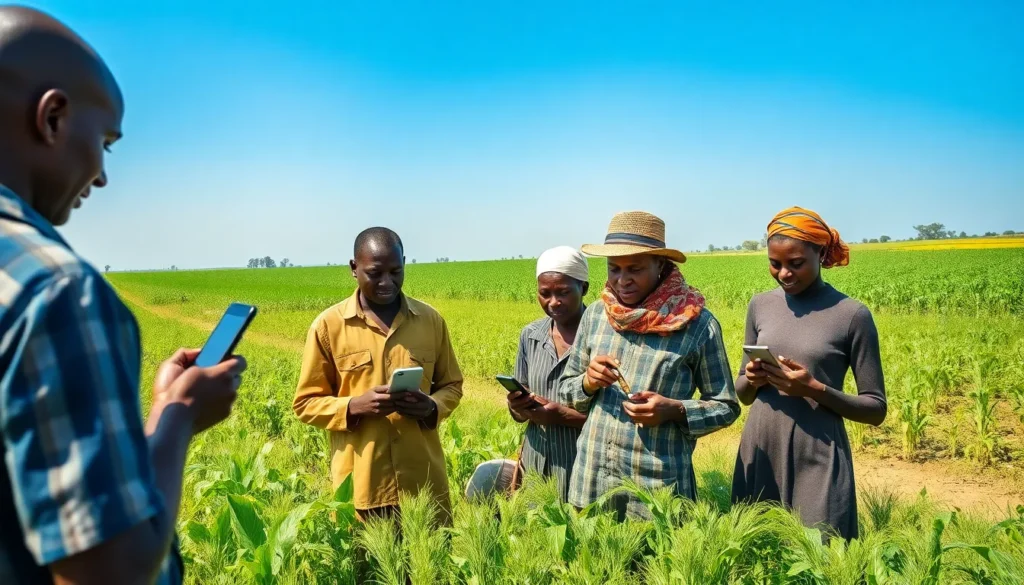
Several key areas of innovation are emerging in developing countries, showcasing solutions tailored to local needs.
Mobile Technology
Mobile technology shows significant advancement, particularly with mobile banking services like Kenya’s M-Pesa. These platforms enable secure transactions, savings options, and loan services, fostering economic growth. Increased access to smartphones also facilitates communication and information exchange. Agricultural apps connect farmers directly with consumers, enhancing supply chain efficiency. With over 40% of the population in Africa engaged in agriculture, these innovations support local farmers by providing market insights and price information. Seamless access to digital finance transforms how individuals and businesses manage resources, ultimately boosting local economies.
Renewable Energy Solutions
Renewable energy solutions emerge as crucial for addressing energy shortages in developing countries. Solar-powered technologies are particularly impactful in rural areas, where access to electricity is limited. In India, solar panels power homes and businesses, reducing reliance on fossil fuels. Reports indicate that solar can provide sustainable energy for over 300 million individuals in India alone. Additionally, off-grid solar installations create jobs in installation and maintenance, stimulating local economies. Wind energy projects also gain traction, demonstrating the potential for sustainable energy generation. These solutions not only promote environmental sustainability but also encourage economic resilience and independence.
Challenges Faced by Innovators
Innovators in developing countries encounter significant hurdles that can impede their progress. Key challenges include inadequate infrastructure and limited access to funding.
Infrastructure Limitations
Infrastructure deficiencies obstruct the implementation of tech innovations. Poor road networks impede transportation of goods, while unstable electricity supply disrupts technology usage. Internet connectivity remains inconsistent in many regions, which restricts access to information and digital services. Such challenges impact businesses’ ability to scale operations effectively and limit the success of innovation initiatives.
Access to Funding
Securing funding presents another major barrier for innovators. Limited investment options impede development for startups. Many financial institutions prioritize traditional businesses over tech-driven projects, reducing the availability of loans and grants. Crowdfunding platforms exist but often lack sufficient reach. Overcoming these financial obstacles is crucial for innovators to turn their ideas into viable solutions.
Case Studies of Successful Innovations
Examining successful innovations reveals remarkable advancements in developing countries that address local needs effectively.
Example 1: Agricultural Technology
Mobile apps in agriculture enhance connectivity between farmers and markets. These platforms streamline supply chains, reduce food waste, and increase profit potential. For instance, companies like Twiga Foods in Kenya link smallholder farmers directly to retailers, enabling fair pricing. Over 40% of Africa’s population works in agriculture, and these innovations empower farmers with real-time data on market prices and weather conditions. Furthermore, crop monitoring technologies utilize satellites and drones, improving yield predictions and resource management. Innovations like these foster economic growth and ensure sustainable practices in agriculture.
Example 2: Health Tech Solutions
Telemedicine services significantly improve healthcare accessibility in remote areas. By allowing patients to consult doctors via mobile devices, these platforms bridge gaps in healthcare delivery. For example, initiatives such as mHealth in Africa facilitate communication between healthcare workers and patients, thus enhancing health education and treatment access. With over 1.4 billion people lacking basic health services, these technological solutions drastically reduce travel barriers. Innovative apps also monitor disease outbreaks, offering real-time data to health authorities. As a result, health tech plays a crucial role in saving lives and promoting healthier communities.
The Future of Tech Innovation in Developing Countries
Tech innovation in developing countries shows strong potential for the future, driven by creativity and necessity. Mobile banking services, exemplified by Kenya’s M-Pesa, will continue to enhance financial inclusion, facilitating seamless transactions for millions. Emerging agricultural apps like Twiga Foods are likely to transform farming, connecting farmers with markets and providing real-time data, driving both economic growth and sustainable practices.
Growth in renewable energy solutions fuels optimism. Solar-powered technologies can reach over 300 million people in rural India, addressing energy shortages and fostering environmental sustainability. Wind energy projects are also gaining prominence, demonstrating significant potential for sustainable energy generation across various regions.
Governments and NGOs increasingly play crucial roles, investing in technology hubs and incubators to nurture talent. Educational institutions help equip students with necessary skills, ensuring a knowledgeable workforce ready to embrace innovation. Advancements in mobile technology and internet connectivity are reshaping communication, expanding access to information and promoting digital literacy.
Despite these advancements, innovators face challenges. Infrastructure deficiencies like poor road networks and unreliable electricity supply impede the implementation of new technologies. Limited access to funding poses another obstacle, as traditional financial institutions often overlook tech-driven projects. Addressing these challenges remains vital for turning innovative ideas into successful solutions.
Ecosystem development around tech innovation focuses on fostering collaboration among stakeholders. This should involve continued investment in infrastructure, education, and funding opportunities to support sustainable growth and impactful advancements.
Conclusion
Tech innovation in developing countries is reshaping economies and improving lives. The drive for solutions to pressing local challenges has sparked remarkable advancements in mobile banking and renewable energy. These innovations not only address immediate needs but also create pathways for sustainable growth and job creation.
As stakeholders continue to collaborate and invest in technology hubs and education, the future looks promising. Overcoming infrastructure and funding challenges will be essential for fostering an environment where creativity can thrive. The potential for transformative change in these regions is immense, and with the right support, tech innovation can lead to a brighter future for millions.

