
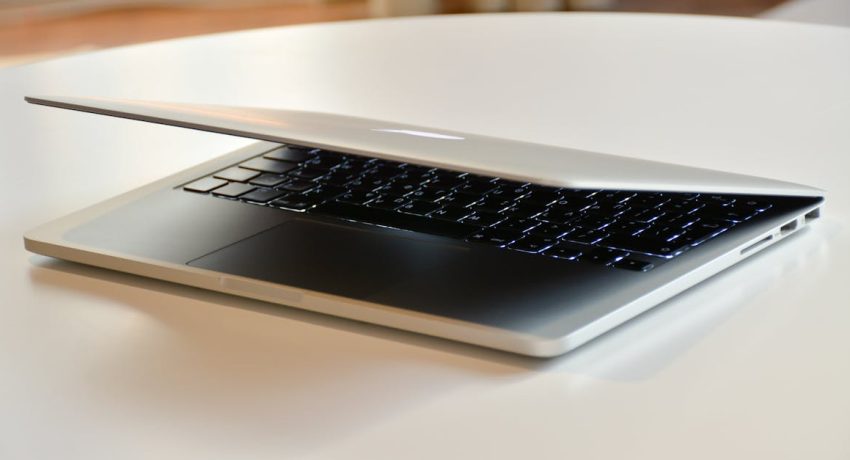

In a world where every ounce matters, thin and light laptops are the superheroes of the tech universe. They swoop in to save the day, offering powerful performance without the backache of lugging around a brick. Whether you’re a student trying to sneak in some late-night studying or a professional balancing coffee and conference calls, these sleek machines are designed to fit seamlessly into any lifestyle.
Imagine having a laptop that’s as light as your favorite novel but packs enough punch to handle your most demanding tasks. With advances in technology, these portable wonders don’t just look good; they deliver speed and efficiency that’ll make you wonder how you ever managed without one. So, if you’re ready to ditch the weight and embrace the freedom of mobility, thin and light laptops might just be your next best friend.
Table of Contents
ToggleOverview of Thin and Light Laptops
Thin and light laptops combine portability with powerful performance. These devices typically weigh between 2 to 3.5 pounds and are often less than 0.8 inches thick. Their slim design makes them suitable for students and professionals who prioritize mobility without sacrificing efficiency.
Manufacturers use advanced materials like magnesium alloy and carbon fiber to optimize weight while maintaining durability. Many models feature high-performance processors and solid-state drives, ensuring quick load times and smooth multitasking. With improved battery life, users can expect up to 15 hours of operation on a single charge.
Connectivity options in thin and light laptops often include USB-C, Thunderbolt, and HDMI, accommodating various peripherals and accessories. Features like backlit keyboards and high-resolution displays further enhance usability, making these devices ideal for work and play.
Brands like Dell, Apple, and HP lead the market with models designed to fit diverse user needs. For example, the Dell XPS series is lauded for its ultra-thin bezel and impressive display quality, while Apple’s MacBook Air highlights a seamless ecosystem for Apple users.
Thin and light laptops cater to a variety of lifestyles, offering something for everyone. Whether for business applications, creative tasks, or casual browsing, these laptops deliver exceptional performance in a lightweight package.
Key Features to Consider
Thin and light laptops offer a range of features that enhance usability and convenience for users. Understanding these elements helps in making informed choices.
Portability and Design
Portability defines the allure of thin and light laptops. Weighing between 2 to 3.5 pounds, they easily fit into backpacks or briefcases. Designs typically feature sleek profiles, often under 0.8 inches thick. Advanced materials like magnesium alloy and carbon fiber contribute to both reduced weight and increased durability. Manufacturers consistently focus on aesthetics, resulting in modern, attractive appearances.
Performance Specifications
Performance specifications play a critical role in the functionality of these laptops. Equipped with high-performance processors, users experience quick processing speeds. Solid-state drives enhance data access speeds, ensuring smooth multitasking. Many models support ample RAM, accommodating demanding applications. Graphics capabilities often include integrated or dedicated options, addressing various user needs for work and leisure.
Battery Life
Battery life stands out as another essential feature. Many thin and light laptops deliver impressive endurance, lasting up to 15 hours on a single charge. Users benefit from this extended battery life, especially during travel or long workdays. Efficient power management helps maximize usage time, accommodating productivity without frequent recharging. These devices are designed to keep up with active lifestyles, ensuring reliable performance throughout the day.
Top Thin and Light Laptop Models
Several thin and light laptops stand out for their performance and design. These models receive accolades for blending power and portability.
Model Comparisons
Dell XPS 13 impresses with a stunning 4K display and sleek design. Apple’s MacBook Air offers seamless integration with the Apple ecosystem. HP Spectre x360 is praised for its flexible 2-in-1 functionality and impressive battery life. Lenovo ThinkPad X1 Carbon stands out for its robust build quality and excellent keyboard. Each model caters to different preferences and needs, making comparisons essential for informed decisions.
Price Ranges
Price varies significantly across thin and light laptops. Budget options can start around $600, suitable for basic tasks and portability. Mid-range models generally fall between $800 and $1,200, offering better performance and features. Premium laptops, often exceeding $1,500, provide top-tier specifications and high-end materials. Consumers should assess their needs and budget when choosing a model.
Pros and Cons of Thin and Light Laptops
Thin and light laptops provide significant advantages and some drawbacks. Understanding these can help users make informed choices.
Advantages
Portability stands out as a major benefit. Weighing between 2 to 3.5 pounds, these laptops are easy to carry. Battery life often lasts up to 15 hours, which supports all-day productivity. High-performance processors and solid-state drives deliver quick load times, allowing for smooth multitasking. Advanced materials like carbon fiber ensure durability while minimizing weight. Connectivity options such as USB-C and Thunderbolt enhance versatility for various devices. Backlit keyboards and high-resolution displays also improve user experience in different environments. Leading brands like Dell, Apple, and HP tailor models for diverse needs, ensuring quality across different price ranges.
Disadvantages
Cost often presents a challenge. Premium thin and light models frequently exceed $1,500, making them less accessible for budget-conscious consumers. Performance limitations may arise due to design constraints. Some high-performance components might be sacrificed for a slimmer profile. Limited upgrade options in certain models can also restrict long-term usability. Users might find fewer ports available, which could hinder connectivity with older devices. Thermal management in slim designs may cause overheating during intensive tasks. Battery life, while impressive under typical usage, may diminish with heavy workloads. Users must balance these trade-offs against their specific requirements.
Conclusion
Thin and light laptops represent a perfect blend of portability and performance. They cater to users who need reliable computing power on the go. With advancements in materials and technology, these devices continue to evolve, offering impressive battery life and high-performance components.
While they come with certain trade-offs like limited upgrade options and potential thermal management issues, their advantages often outweigh the drawbacks. For students and professionals alike, investing in a thin and light laptop can significantly enhance productivity and convenience. As the market expands, finding the right model to fit individual needs and budgets becomes easier than ever.

